
To the editor,
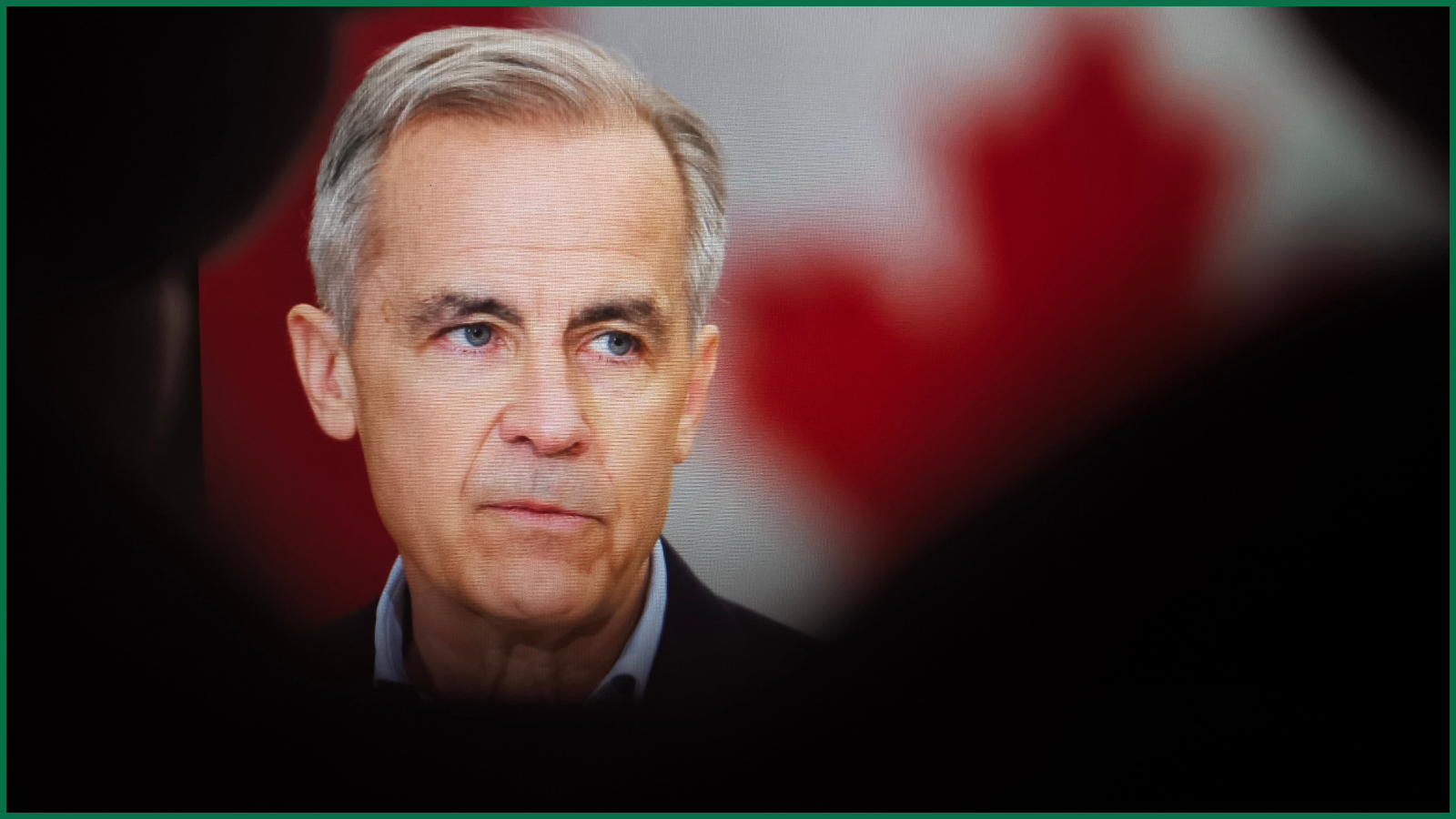
Why is Canada getting hit so hard with American tariffs? It’s among the top five nations in terms of the relative tariff rate. Canada’s new prime minister, Mark Carney, had taken a tough tone toward Washington during the spring election, but he’s been very agreeable since taking office and eager to get a trade deal behind him. What is holding up the US side?
Thanks,
Ian.
Hi Ian,
For all the oceans Canada touches with its long borderlines drawn out over maps, there is one geographical disadvantage that has come with the northern territory: there is only one neighbour, and it’s a juggernaut of economic and military proportions. Trump sees a geographic dependency and is determined to use it as a cudgel to extract concessions from Canada.
However lopsided the relationship may appear on paper, it is a mistake for any resource-rich country to play the pauper and beg to be relieved of their abundance. Yet that is exactly what Carney has done. When the US raised tariffs over laughable fentanyl export allegations, Canadian Liberals responded with a multi-billion dollar border security package. When Trump threatened a halt to trade negotiations over the digital service tax—applied to the harvest and sale of personal data by tech giants—Ottawa scrapped it. When the Ontario government ran an anti-tariff ad that Trump didn’t like, it was immediately pulled from the airwaves with a profuse apology from Carney. Despite this, Washington has suspended negotiations with its northern neighbour, preferring to leave the full brunt of tariffs intact.
Epictetus said that bullies may mock your principles but, “if you let these people dissuade you from your choice, you will earn their derision twice over.”1 Trump, no doubt, sensed an opportunity the moment that Carney put his elbows down and went hat-in-hand to the White House shortly after winning his election. In that moment he had dutifully earned Trump’s derision—and it has been Carney dancing to Trump’s tune ever since. Why should the US negotiate tariffs when so much can be extracted with them in place?
The tariffs may be disastrous policy but that is unseen in Washington. Although the Business Council of Canada has tasked Carney with having the American president see the light, the opposite has occurred. As a global banker, Carney is powerless to look beyond the facts and figures of the neoliberal order. Meanwhile, Trump has invented a new genre of politik somewhere between the real and ideal—gutpolitik—and Carney is squirming within its sweaty fold.
It is unlikely he’s going to slither out. Ottawa should be leveraging the public appetite for a hardline on trade negotiations in order to open up a new relationship with China, including Belt-and-Road participation. Ottawa should be rescuing its environmental commitments and stabilizing unemployment with a worker owned enterprise program. Ottawa should be minting crown corporations in order to expand the national manufacturing of cars, homes and military equipment for domestic use. Instead automobile factories will shutter, knowledge will go to waste, corporate bailouts will accumulate, and billions will be shed abroad on arms purchases.
The neoliberal era is over. Trump is only a sign of the times. Until the public understands this, the slide into the abyss is irresistible.
In sols,
Your editor.
Send your questions to the Reclamation: editor@thereclamation.co

Footnotes:
Epictetus, Discourses and Selected Writings (Penguin, 2008): 229. ↩︎